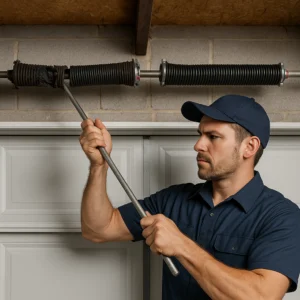
Your garage door probably opens and closes dozens of times a week without a second thought. But behind the scenes, a pair of heavy springs are doing most of the lifting, and they don’t last forever. When a spring finally snaps, it usually happens with a loud bang and leaves you with a door that won’t budge. The good news is that springs often give off warning signs before they fail. Knowing what to watch for can help you schedule a repair on your terms instead of dealing with a stuck car and a missed morning commute.
The Door Feels Heavy When You Lift It by Hand
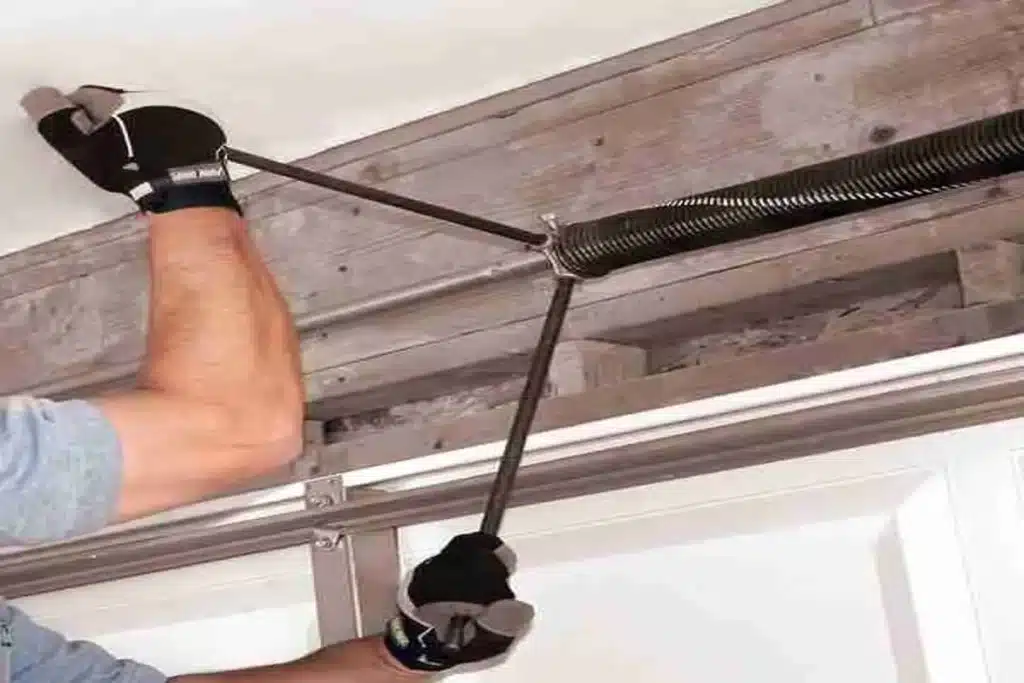
A healthy garage door spring system balances the weight of the door so well that it feels fairly light when you lift it manually. If you disconnect the opener and the door feels unusually heavy, or if it slams shut instead of staying put halfway up, the springs are losing their strength. This is one of the clearest signs that tension has weakened and a failure may be coming soon.
The Door Opens Slowly or Unevenly
If your door used to glide up smoothly but now seems sluggish, jerky, or lopsided, worn springs could be the reason. One side may rise faster than the other, or the door might pause partway through its travel. These changes happen because the springs no longer provide even, reliable lifting force, which puts extra strain on the opener and other parts.
You Hear Strange Noises During Operation
Garage doors are never completely silent, but new squeaking, groaning, or popping sounds deserve attention. Springs that are stretched, rusty, or close to failing can make creaking or twanging noises as they move. If the sounds are getting louder or more frequent, it’s worth having someone look at the system before something gives out.
Visible Gaps in the Spring Coil
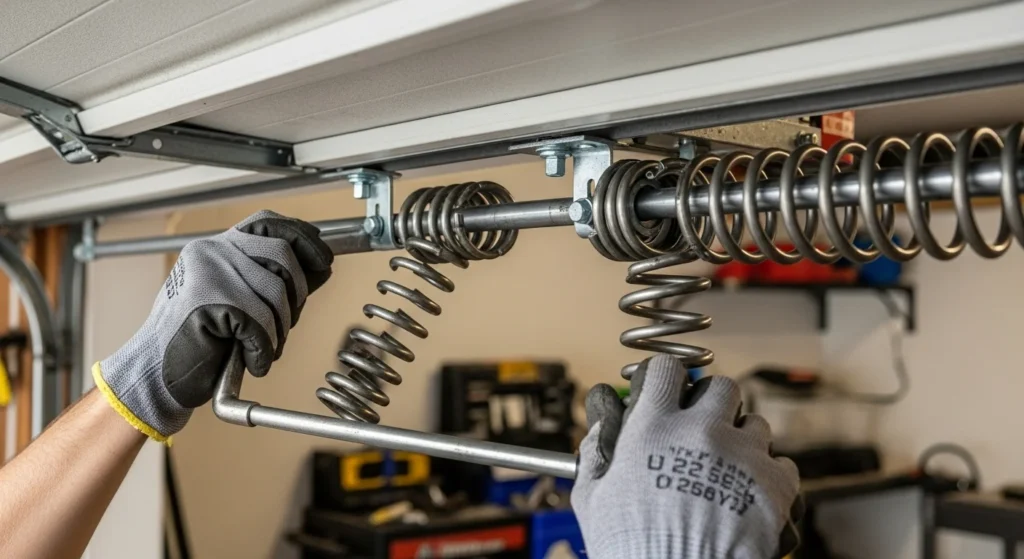
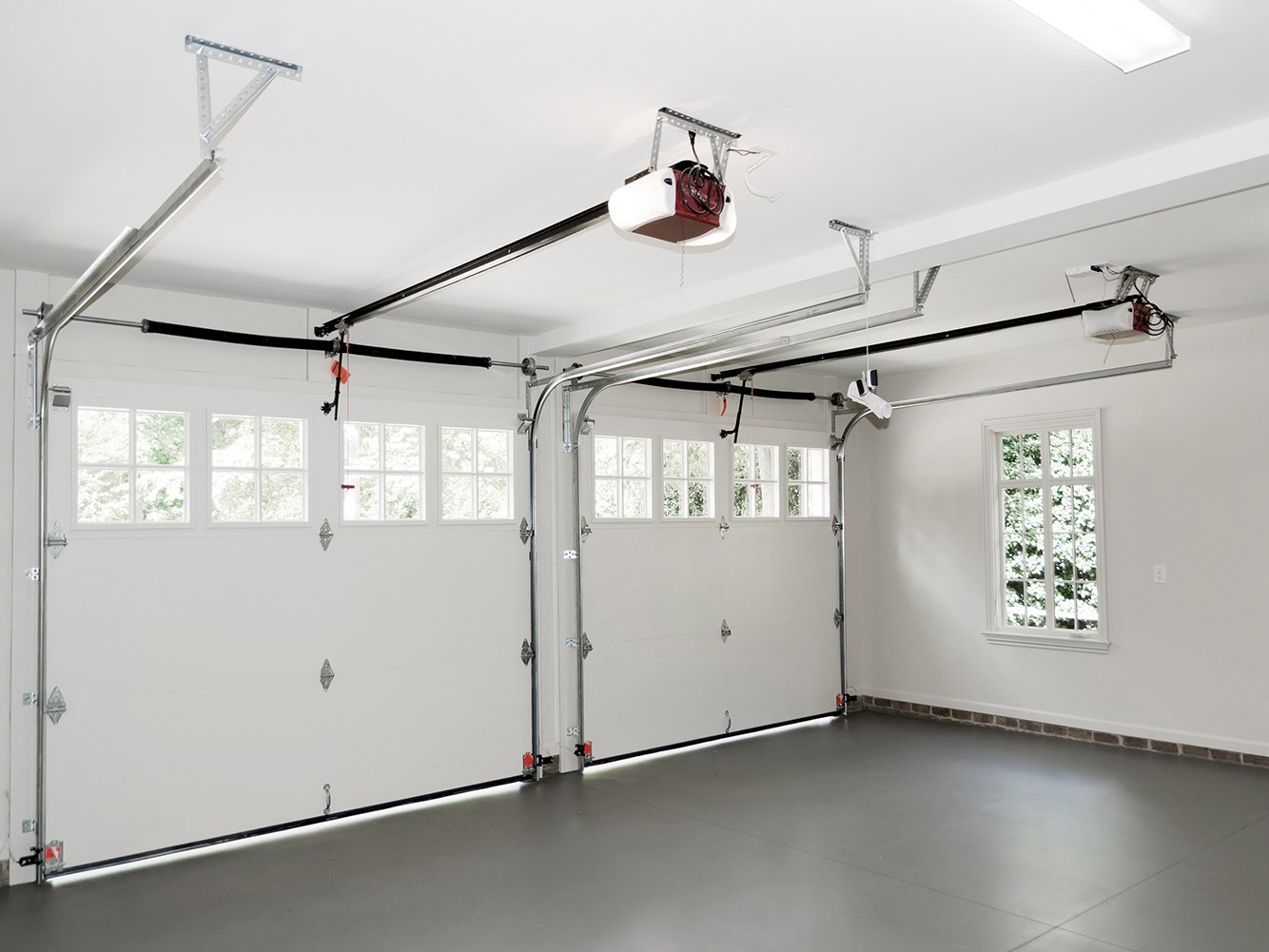
Take a look at the torsion spring, the large coil mounted above the door. If you see a gap in the coil, that means the spring has already snapped. Even if you haven’t noticed the door acting strangely yet, a broken spring is not something to wait on. A door with a broken spring should not be operated, since the opener isn’t designed to lift the full weight by itself and can be damaged or fail altogether.
Rust and Corrosion on the Spring
Springs live in a harsh environment, especially in places with humid summers and cold, wet winters. Rust weakens the metal and makes it more likely to snap under tension. If you notice orange or flaking corrosion along the coils, that’s a sign the spring is aging and may not have much life left. A little lubricant can help slow this down, but heavy rust usually means replacement is on the horizon.
The Door Is Crooked or Sagging
When a garage door hangs unevenly or sits crooked when closed, it often means the springs or cables are no longer balanced. Sometimes one spring has stretched more than the other, and sometimes a cable has slipped. Either way, an unbalanced door puts uneven stress on the whole system and can lead to a sudden breakdown if the problem is ignored.
The Springs Are Reaching Their Expected Lifespan
Most garage door springs are rated for roughly ten thousand cycles, where one cycle is a single opening and closing. For a typical household using the door a few times a day, that works out to about seven to ten years. If your springs are in that age range, or if you use your door heavily, they may be due for replacement even if you haven’t noticed obvious symptoms yet. Proactive replacement is much easier than an emergency repair.
Why You Shouldn’t Wait or Try a DIY Fix
It can be tempting to try fixing a spring yourself, but garage door springs hold a large amount of stored energy. A mistake during adjustment or replacement can cause serious injury. This is one repair that’s best left to trained professionals with the right tools and experience. Replacing springs in pairs is also usually recommended, since if one has worn down, the other is likely not far behind.
Stay Ahead of the Problem
Springs are one of the most common parts to fail in a garage door system, but they rarely fail without warning. Paying attention to how your door feels, sounds, and looks can help you catch problems early. A yearly inspection from a qualified technician is a simple way to keep everything balanced and working safely. If any of these signs sound familiar, it’s a good idea to schedule a service visit soon, before a small issue turns into a stuck door at the worst possible moment.